“Coffee seedlings” search results (1500)

Aromatic Puerto Rico Manor Coffee Grind Processing Method Producing Area
In Spanish, Puerto Rico means port of affluence. Coffee in Puerto Rico dates back to 1736, when early Spanish immigrants brought coffee seedlings. Since the main cash crop was sugar cane in the 18th century, it has not been valued. At the beginning of the nineteenth century, the French began to migrate from the Mediterranean island of Corsica due to European political factors.
2016-10-06 Taste Aromatic Intense Puerto Rico San Pedro Manor Coffee Ground Office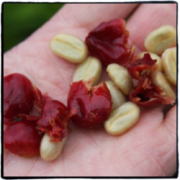
Natural decaf Laurina
There are always some people who can't accept caffeine for various reasons, but like the aroma and taste of coffee.
2014-05-20 Coffee knowledge decaf boutique coffee
Details of growing coffee
1. The cultivation of strong coffee seedlings 1. The selection of nursery land is close to water source, convenient for transportation, loam or sandy loam with loose and fertile soil, deep soil layer, good drainage, paddy field with PH value of 66.5 or early nursery land, and close to coffee garden. Turn over 20cm30cm meters to make fire and burn the soil, hoe fine and remove stones, branches and roots before sieving, or use mountain humus, add 8-
2014-08-13 Coffee details coffee cultivation coffee culture
Introduction to the flavor and taste characteristics of Puerto Rico coffee manor with strong flavor
In Spanish, Puerto Rico means the port of wealth. The history of coffee in Puerto Rico dates back to 1736, when coffee seedlings were brought into the country by early Spanish settlers. In the 18th world, sugar cane was the main economic crop, so little attention was paid to it. At the beginning of the 19th century, the French began to move from the Mediterranean island of Corsica because of European politics.
2016-08-05 Taste aroma strong Puerto Rico coffee manor producing area flavor taste special
Common sense of Coffee Culture Coffee's "History of aggression" to Human beings II
The widespread spread of coffee in Europe around the world has also brought some problems. A large number of imported coffee beans have caused large foreign exchange losses, coupled with the threat of freedom of speech in cafes to the rule of the authorities. At that time, the rulers of European countries first adopted the way of cutting expenditure, closing cafes and banning people from drinking coffee, but coffee and cafes have become a trend and have been banned repeatedly, so they are opened.
2015-06-10 Coffee culture common sense coffee mankind history of aggression world scope large-scale spread
The cultivation process of Coffee
The way of harvesting coffee varies from place to place, which is mainly divided into hand picking method and shaking method. Of course, it is ideal to pick the ripe red fruit carefully with your hands, and in fact, the issue of efficiency must also be considered.
2014-07-04 Coffee knowledge coffee cultivation process coffee encyclopedia
Technical rules for cultivation of small seed Coffee basic knowledge of Coffee
1 scope this part stipulates the technical methods of small seed coffee garden selection, planning, reclamation, seeds, seedlings, planting, soil management and coffee tree management. This part is suitable for the cultivation of small seed coffee. 2 normative citation documents the provisions of the following documents become the provisions of this part through the citation of this section. For all dated reference documents, all subsequent revisions
2015-10-14 Small grains coffee cultivation techniques procedures basics common sense
Description of Coffee Flavor in Chateau San Pedro, Puerto Rico; introduction to the taste of the producing area
In Spanish, Puerto Rico means the port of wealth. The history of coffee in Puerto Rico dates back to 1736, when coffee seedlings were brought into the country by early Spanish settlers. In the 18th world, sugar cane was the main economic crop, so little attention was paid to it. At the beginning of the 19th century, the French began to move from the Mediterranean island of Corsica because of European politics.
2016-10-14 Puerto Rico San Pei Delo Manor Coffee Flavor description Grinding characteristics production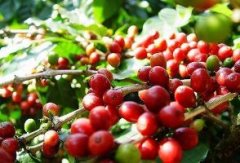
Zero-distance contact of coffee
Finally, I have an opportunity to witness the formation of coffee. This is after visiting MONTENEGRO National Coffee Park in QUINDIO province of Colombia and a garden coffee farm in MANIZALES city of Caldas province (CALDAS). Coffee comes from Ethiopian curry. In Colombia, it was appointed by a priest from the French Antilles in 1808.
2014-09-26 Contact with coffee coffee beans boutique coffee coffee encyclopedia
Coffee zero distance
Coffee comes from Ethiopian curry. In Colombia, it was brought by a priest from the French Antilles via Venezuela in 1808. At present, Colombia is the fourth largest coffee producer in the world, behind Brazil, Vietnam and Indonesia. End
2014-05-20 Coffee culture cafes coffee beans coffee machines
Taste of Puerto Rican Coffee Larez Yaoke Coffee is introduced in the manor area.
In Spanish, Puerto Rico means the port of wealth. The history of coffee in Puerto Rico dates back to 1736, when coffee seedlings were brought into the country by early Spanish settlers. In the 18th world, sugar cane was the main economic crop, so little attention was paid to it. At the beginning of the 19th century, the French began to move from the Mediterranean island of Corsica because of European politics.
2016-08-01 Puerto Rico Coffee Flavor Taste Manor producing area introduction Les Yaoke
Description of Coffee Flavor in San Pedro Manor, Puerto Rico; introduction to the taste of varieties in producing areas
In Spanish, Puerto Rico means the port of wealth. The history of coffee in Puerto Rico dates back to 1736, when coffee seedlings were brought into the country by early Spanish settlers. In the 18th world, sugar cane was the main economic crop, so little attention was paid to it. At the beginning of the 19th century, the French began to move from the Mediterranean island of Corsica because of European politics.
2016-10-13 Puerto Rico San Pei Delo Manor Coffee Flavor description Grinding characteristics products
Introduction to the characteristics of the manor producing area of Puerto Rico coffee beans with rich and unique aroma
In Spanish, Puerto Rico means the port of wealth. The history of coffee in Puerto Rico dates back to 1736, when coffee seedlings were brought into the country by early Spanish settlers. In the 18th world, sugar cane was the main economic crop, so little attention was paid to it. At the beginning of the 19th century, the French began to move from the Mediterranean island of Corsica because of European politics.
2016-08-05 Aroma rich unique Puerto Rico coffee beans flavor taste manor producing area
Unique flavor of Puerto Rico coffee manor flavor and taste characteristics of boutique coffee beans
In Spanish, Puerto Rico means the port of wealth. The history of coffee in Puerto Rico dates back to 1736, when coffee seedlings were brought into the country by early Spanish settlers. In the 18th world, sugar cane was the main economic crop, so little attention was paid to it. At the beginning of the 19th century, the French began to move from the Mediterranean island of Corsica because of European politics.
2016-08-06 Unique flavor Puerto Rico coffee manor producing area taste characteristics introduction
Coffee Culture Coffee Zero distance
Coffee comes from Ethiopian curry. In Colombia, it was brought by a priest from the French Antilles via Venezuela in 1808. At present, Colombia is the fourth largest coffee producer in the world, behind Brazil, Vietnam and Indonesia. Finally, I have an opportunity to witness the formation of coffee. This is a visit to QUINDIO, Colombia.
2014-09-26 Coffee culture coffee zero distance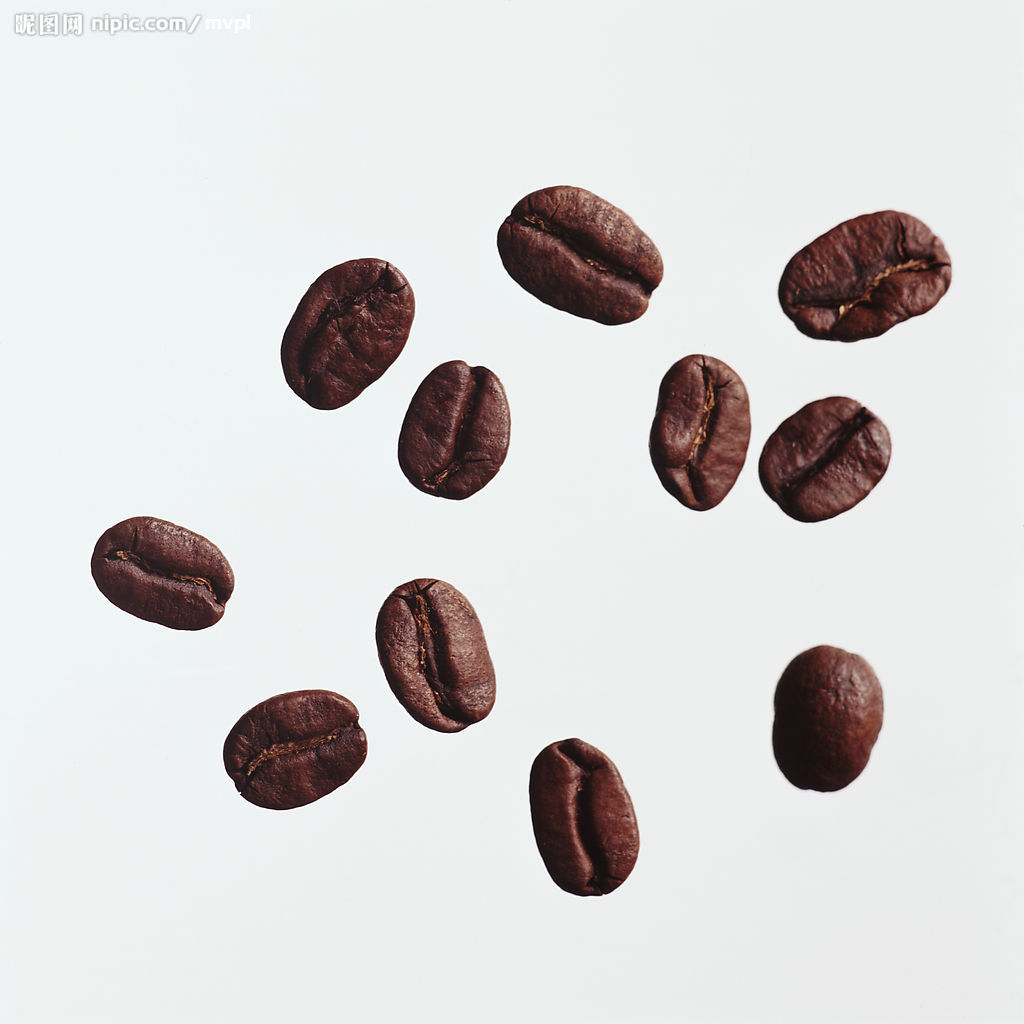
Natural decaffeinated coffee Laurina is decaffeinated coffee good
(for example, Swiss water treatment) to remove caffeine from coffee beans as much as possible. The level of artificially processed decaf coffee has been improving, but there will always be people who think that its flavor will be worse than it was before caffeine was removed. Scientists have also been trying to find ways to make the coffee fruit on the tree naturally decaf. In 1989, the third generation boss of Illy, a famous Italian coffee roaster.
2016-07-20 Natural decaine coffee Laurina caffeine delicious for example Switzerland
When was coffee introduced into China?
Coffee enters China according to historical records, coffee was first planted in Taiwan in 1884, which opened the prelude to the development of coffee in China. The earliest coffee cultivation in the mainland began in Yunnan, when a French missionary brought the first coffee seedlings to Binchuan County in Yunnan Province at the beginning of the 20th century. In the following nearly a hundred years, coffee was only planted in the vast territory of China.
2016-06-14 Coffee when introduced China coffee entry historical materials records 1
There are four types of coffee trees. Coffee comes from Ethiopia.
Coffee comes from Ethiopian curry. In Colombia, it was brought by a priest from the French Antilles via Venezuela in 1808. At present, Colombia is the fourth largest coffee producer in the world, behind Brazil, Vietnam and Indonesia. Finally, I have an opportunity to witness the formation of coffee. This is a visit to QUINDIO, Colombia.
2015-07-28 Coffee tree species total four categories from Ethiopia from Ethiopia.
World & A brief introduction to the spread History of Coffee in China
Origin: coffee was first discovered in the kaffa region of southern Ethiopia in the 6th century AD. So far, there is no specific historical data about the origin of coffee, what has been handed down are several different legends, but it is more recognized that Cuddy, the shepherd, discovered the coffee. Legend has it that Kadi, a shepherd in Kafa province in southern Ethiopia, drives his sheep every day.
2014-09-11 Coffee culture coffee spread in China coffee spread in the world.
Knowledge of planting Coffee beans there are four types of coffee trees
Coffee comes from Ethiopian curry. In Colombia, it was brought by a priest from the French Antilles via Venezuela in 1808. At present, Colombia is the fourth largest coffee producer in the world, behind Brazil, Vietnam and Indonesia. Finally, I have an opportunity to witness the formation of coffee. This is a visit to QUINDIO, Colombia.
2015-01-16 Coffee beans planting knowledge coffee tree species a total of four types derived from Ethiopia